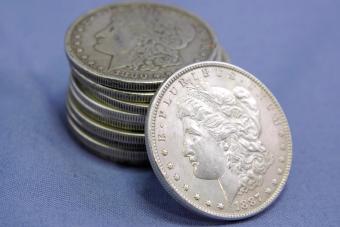
Most of the time, a penny is worth just one cent, but in the case of the 10 most valuable pennies, they can be worth thousands or even millions of dollars. If you're sorting through your pocket change, it's good to know how to spot the difference between a simple chunk of copper and a coin collectors would fight over.
Super valuable pennies tend to be rare, but there are lots of surprising factors that can make them uncommon and worth money. There's something special about each penny on this list. Some, like the 1792 Birch Cent, are almost as old as the country. Others are in unbelievably perfect condition, despite being minted decades or even centuries ago. And some examples, like the 1958 Double Die Lincoln Cent, represent a pretty big oops at the mint where they were made. Their stories are nearly as valuable as the pennies themselves.
Quick Reference List of the 10 Most Valuable Pennies
If you're out and about or just quickly sorting your change, it helps to have a handy reference list of the most valuable pennies. These are the winners, ranked from highest to lowest value.
| Penny | Value |
|---|---|
| 1792 Birch Cent | $2.6 million |
| 1943 Bronze Lincoln Penny | $1.7 million |
| 1793 Strawberry Leaf Cent | $863,000 |
| 1793 Liberty Cap Wreath Cent | $391,000 |
| 1944 Steel Lincoln Penny | $375,000 |
| 1958 Double Die Lincoln Penny | $336,000 |
| 1909 VDB Proof Lincoln Penny | $269,000 |
| 1856 Flying Eagle Cent | $173,000 |
| 1864 Indian Head Penny With L | $161,000 |
| 1914-D Lincoln Penny | $159,000 |
1. 1792 Birch Cent - About $2.6 Million

While the United States didn't officially start minting pennies until 1793, there were a few prototype pennies made prior to that time. One of these is the famous Birch Cent of 1792, named after engraver Robert Birch. This penny is worth the most of all examples ever made. The coin was a "large cent," about the size of a quarter, and there are only 10 known examples. One in excellent "gem" condition sold in 2015 for an astounding $2.6 million.
The coin features the profile of Lady Liberty on the front, which was a pretty controversial choice for the time. Keep in mind, the country was trying to separate itself from monarchies that had their kings and queens stamped on their coins. Still, the first president, George Washington, was such a popular figure that many people wanted his likeness on the first penny. Those in favor of Lady Liberty won out, but of course, George Washington has graced many coins since, including the current quarter.
Even though you might not have a 1792 Birch Cent lying around, keep an eye out for any coin with an old date. Not all old pennies are valuable, but age is a starting point for identifying a penny worth money.
2. 1943 Bronze Lincoln Penny - About $1.7 Million

As World War II raged in 1943, the US Mint switched to making pennies out of steel to save copper for the war effort. When they made this switch, some of the copper was accidentally left in the hoppers. This resulted in the steel mixing with the copper for the first few pennies produced that year. No one noticed the error, and the pennies entered circulation. The US Mint estimates that 40 of them still exist. In 2010, one of the bronze Lincoln pennies sold for $1.7 million, far higher in value than the 1943 steel penny's value.
People considered this a rare penny to look for, even when it was first minted. Rumor had it that Henry Ford offered a car to anyone who could find one, and even though that rumor was totally unsubstantiated, the fervor for this penny was the real deal. Collectors began clamoring for it in the 1940s, and demand hasn't died down since.
If you're watching for rare coins, keep an eye out for anything outside the ordinary. A penny with a different color (or in this case, a copper colored penny from a year when they should have been steel) can be worth far more than a normal coin.
3. 1793 Strawberry Leaf Cent - About $863,000

One of the most valuable "large cents," the 1793 Strawberry Leaf sold at auction for almost $863,000 in 2009. This rare coin is one of only four examples in this style, which was struck the first year the US Mint officially made the penny. It is in excellent condition for such an old penny and features clear details.
Named for the strawberry leaves faintly visible over the date on the coin, the Strawberry Leaf cent is valuable because of how rare it is. What's also interesting is that examples are always in circulated condition, but those worth the most may only have passed from person to person for around 50 years before being put aside. From there, they've come down through the centuries to excite collectors today.
One lesson here is that condition matters, but it's not the only thing that affects value. If you have a very old coin, it could still be worth a lot in rough condition. It's always worth checking out the value of a penny that's more than a few decades old.
4. 1793 Liberty Cap Wreath Cent - About $391,000

In 2004, another "large cent," a pristine example of the 1793 Liberty Cap wreath design, sold at auction for about $391,000. This coin has sharp details and shows Lady Liberty with a modest cap. On the back, there's a wreath.
There's a sad reason this year of penny is worth so much. In addition to being the first full year of minting and one of the oldest pennies you can find, it represents the historical events of the time. As this penny was being minted, a yellow fever epidemic swept through Washington, shutting down the minting operation. This meant very few were made. Sadly, the yellow fever took the life of the engraver of this coin, Joseph Wright.
Coins that represent the history surrounding them can be especially valuable. Look for pennies that were minted during major historic events, such as pandemics, wars, disasters, and other dramatic happenings.
5. 1944 Steel Lincoln Penny - About $375,000

Remember the mix-up with the 1943 pennies that were supposed to be steel but were actually copper? Well, in 1944, the mints switched back to using copper for pennies and totally got mixed up again. A mistake in the San Francisco mint resulted in about 30 pennies being made from steel left over from the 1943 pennies. These rare examples can fetch up to $375,000 in excellent condition, according to Coin Trackers.
This is the standard Lincoln penny design with a wreath of wheat on the back, but the steel color is notable. They're very rare to find in the first place, and if you find one in near mint condition, it's definitely valuable.
Watch those pennies from the war years for mistakes like this. All that switching of materials caused confusion, and you might just find one of these mix-ups in your spare change.
6. 1958 Double Die Lincoln Penny - About $336,000
Due to an error involving a double stamping that affected the lettering on the front of the penny, this rare coin is highly coveted by collectors. Only three examples are known to exist in collectible condition, and one in nearly mint condition sold at auction in 2018 from about $336,000. It's one of the most valuable Lincoln cent double die errors.
You can see the overlapping letters in the words "IN GOD WE TRUST" and "LIBERTY," and even some of the numbers of the date are a little doubled. These little details make it stand out from other minting errors.
Although mistakes like this are very rare, it's worth breaking out a magnifying glass to check coins that might be affected. If you see something unusual about the stamping of the coin, it could be valuable.
Learn More About Old & Valuable Pennies
 |  |  |
|---|
7. 1909 VDB Proof Lincoln Penny - About $269,000

In 1909, the US Mint created a Matte Proof penny, never intended for circulation. The initials of the coin designer, VDB, are stamped on the back. PCGS reports that only about 200 examples are known to exist, though more were minted and likely destroyed. The existing coins were mostly stored, so they are in pristine condition.
This is another situation where condition and beauty can have a dramatic impact on the value of a penny. The most beautiful examples of this coin are worth the most. They feature unique rainbow oxidation, which combined with their rarity, makes them highly coveted by collectors. One sold at auction in 2014 for almost $269,000.
If you're looking through coins and find a penny that's especially beautiful, it's worth a little more research. If it's a rare US or Canadian penny, it could be a treasure.
8. 1856 Flying Eagle Cent - About $173,000

In 1856, the mint transitioned from the old penny designs or "large cents" to the smaller size most people associate with the term "penny." To commemorate this major shift, they created a limited edition of under 4,000 coins for collectors and important members of Congress. Already rare, these are particularly uncommon in near mint condition. After all, it's been over a century and a half since they were stamped.
All existing 1856 Flying Eagle cents are highly valued by coin collectors, but one in excellent condition sold at auction for almost $173,000 in 2004. The pristine condition of this example made it a very rare penny.
When coin designs change, the first and last mintings of the old and new designs can be especially valuable or interesting to collectors. Major penny redesigns happened in 1856/57, 1858/1859, 1908/1909, and 2008/2009.
9. 1864 Indian Head Penny With L - About $161,000

In 1864, the United States was embroiled in the Civil War. Metal supplies were difficult to obtain, so the Mint began to strike pennies in bronze half-way through 1864. Like other wartime pennies, they are emblematic of a historical event and have unique materials because of that.
At this time, the US Mint also modified the design slightly to include an "L" on the ribbon of Lady Liberty's war bonnet. Although around five million pennies were struck that year, only a handful of the "L" ribbon version survive in uncirculated condition. One sold at auction for almost $161,000.
Again, watching for pennies in unusual materials and those minted during major historical events is always a good idea.
10. 1914-D Lincoln Penny - About $159,000

People sometimes wonder if the 1917 penny is rare, but the one to watch for is actually the 1914 example. With only about one million pennies minted, the 1914 Denver Mint Lincoln penny is rare for a one-cent coin. The next important factor to consider is condition.
Of those million pennies minted that year, nearly all the coins went into circulation, making it extremely difficult to find one in mint condition. An uncirculated one sold by Legend Auctions fetched almost $159,000 in 2018.
An uncirculated or fine condition coin usually has crisp edges on all the letters and images stamped on it. Not all rare pennies are valuable, but scarcity is one of the qualities that can make a coin important.
Tips for Identifying Old Pennies Worth Money
Although these ten old pennies are worth thousands, there are plenty of other examples that are still worth more than their face value. If you're sorting through spare change, keep a few tips in mind to help you find pennies worth money:
- Look for old pennies in excellent condition. If you see a penny that is decades old but still shines like it's brand new, it may be worth looking up. Most old coins show wear from circulation, so one in great shape can be worth more.
- Check for mistakes. You'll notice that many of the old pennies listed here have errors which make them more valuable. Examine your coins for small mistakes that can add to their value.
- Watch for rare old pennies. Each year, the US Mint releases a certain number of pennies, but some years, that number is low. Watch for low mintage years like 1955-S, 1939-D, 1933-D, and 1931-S. Depending on condition, rarer pennies are worth more.
- Look for all-copper pennies. Old pennies made before 1982 are 95% copper, which gives them an inherent metal value. This translates to the pennies being worth more.
Know When to Hold On to Your Change
While most pennies are worth only a cent, it pays to research rare coin values so you can identify the most valuable pennies when you see them. Sometimes, it may also make sense to hang onto coins you think could increase in value. US rare coin prices change all the time in reaction to market conditions, so something that may not be that valuable today can be worth a fortune tomorrow. Now that you have a handle on rare penny values, learn about buffalo nickel values.